Preparing your pet for an anaesthetic
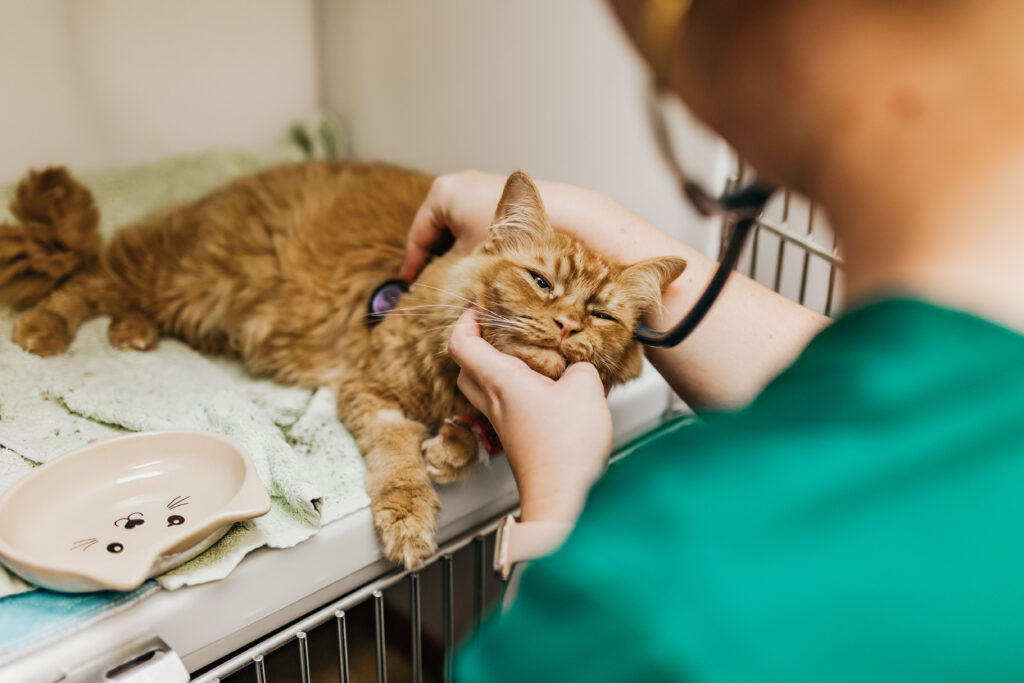
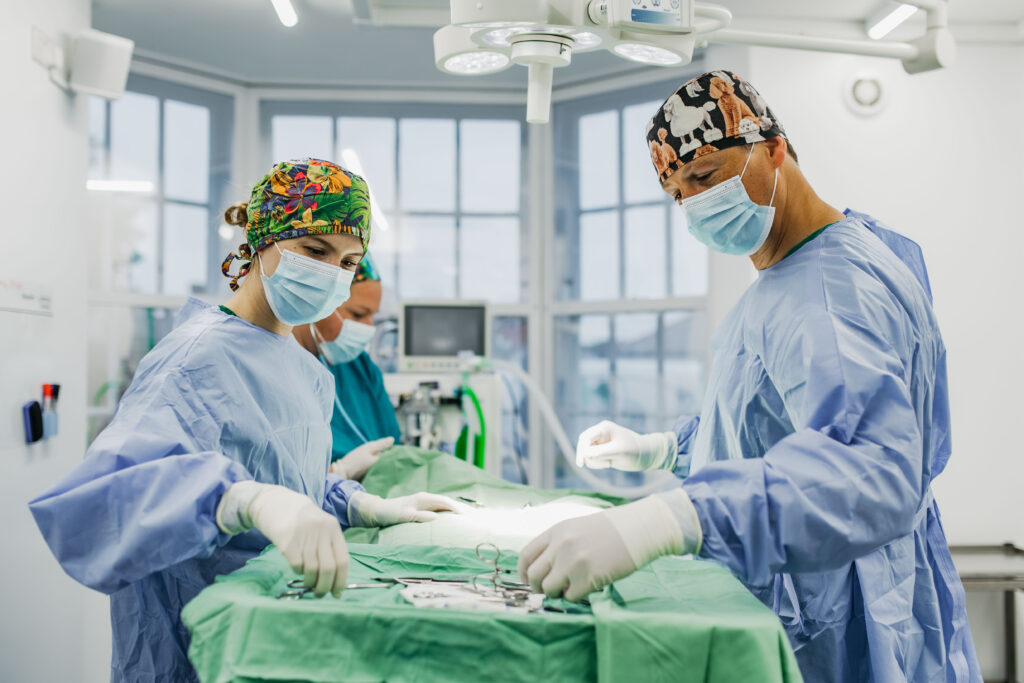
Please read the information on this page about preparing your pet for anaesthesia and the day of your pet’s operation. If you have any queries please don’t hesitate to contact us.
General
- Please ensure your pet does not have anything to eat after midnight the night before his/her operation (dogs & cats).
- Your pet can have water available up until their journey to the veterinary practice.
- If your pet is on medication(s) please bring it/them with you in the morning.
- If your pet is on a special diet please bring a portion for them to eat.
- If you have any questions about the operation or anything else you would like to be treated at the same time, please speak to the nurse on admission
Cats
- Keep your cat indoors the night before his/her operation with a litter tray.
- Please bring to the clinic the morning of his/her operation in a secure basket/cat box.
Dogs
- Please bring your dog to the clinic on the morning of his/her operation wearing a secure collar and lead.
- Please take your dog for a short walk on a lead before arriving at the clinic so he/she can relieve himself/herself, but avoid muddy or long grass areas. It is important your pet is clean prior to surgery.
Rabbits and Guinea pigs
- DO NOT starve your pet overnight.
- Please ensure your pet has food and water available up until their journey to the practice.
- We will give them access to food and water all the way up to their procedure. Please bring in any of their favourite foods so we can tempt them to eat after their procedure. It is important they eat as soon as possible to prevent gut stasis.
The day of your pet’s operation
Please arrive at the surgery at your designated appointment time. On admission, a nurse will go through a consent form and checklist with you to ensure we have all the correct details and information. We will need a contact number we can reach you on at any point during the day. This is in case we need any other information from you or your permission to carry out any other procedure. Please allow 20 minutes for your pet to be admitted for their procedure. Sometimes it may be necessary for one of our vets to do a health check at this time.
Pre-operative blood test
The admitting nurse will also ask if you would like your pet to have a pre-operative blood test. This will check your pet’s liver and kidney function and red and white blood cells. This gives the vet more information about your pet’s health in order that we may maximise patient safety and be aware of problems that may complicate your pet’s procedure, e.g. anaemia, kidney disease, etc. These tests are similar to those your own doctor would run were you to undergo anaesthesia. The results can also prove useful in the future should the health of your pet change. The fee for this is £95.
Peri-Operative Intravenous Fluid Therapy
During your pet’s procedure, the theatre nurse will monitor your pet’s anaesthetic closely, including their blood pressure. We routinely administer intravenous fluids during your pet’s anaesthetic; the price of this is included in the cost of the anaesthetic. However, if your pet is sick or elderly, they may need fluids both before and after their procedure to support your pet’s circulatory system, protecting your pet’s kidneys. There is an additional £80 fee for this if it is required.
Canine lungworm
A parasite called Angiostrongylus vasorum has recently become a problem. This can cause dogs to be unable to clot their blood, which might cause bleeding during your pet’s procedure. Please inform your admitting nurse when your pet was last treated for lungworm. We now offer the option to test for the unsuspected presence of lungworm in your dog on the morning of their operation for an additional fee of £30.00.
Why Tamar Vets does not allow direct claims
There are a very large number of insurers that you might do business with, each with multiple policies, everyone being different. This makes the process of ensuring that the correct amounts are paid by the policyholder and by the insurer exceptionally complex.
Some insurers have conditions such as
- varying excesses
- policyholder to pay a percentage of every claim (co-payment)
- certain items e.g. prescription diets and blood tests not included or only partially covered.
For this reason, our policy is not to accept direct insurance claims. We may in exceptional circumstances agree to do a direct claim but this must be discussed before a procedure date upon viewing documentation and the excess being paid.
We will process and submit any insurance claims at the end of treatment or periodically for long-term conditions.