
Veterinary Electrochemotherapy
What is Veterinary Electrochemotherapy?
Electrochemotherapy (ECT) is a specialised, minimally invasive cancer treatment that combines a chemotherapy drug with short, intense electrical pulses applied directly to the tumour.
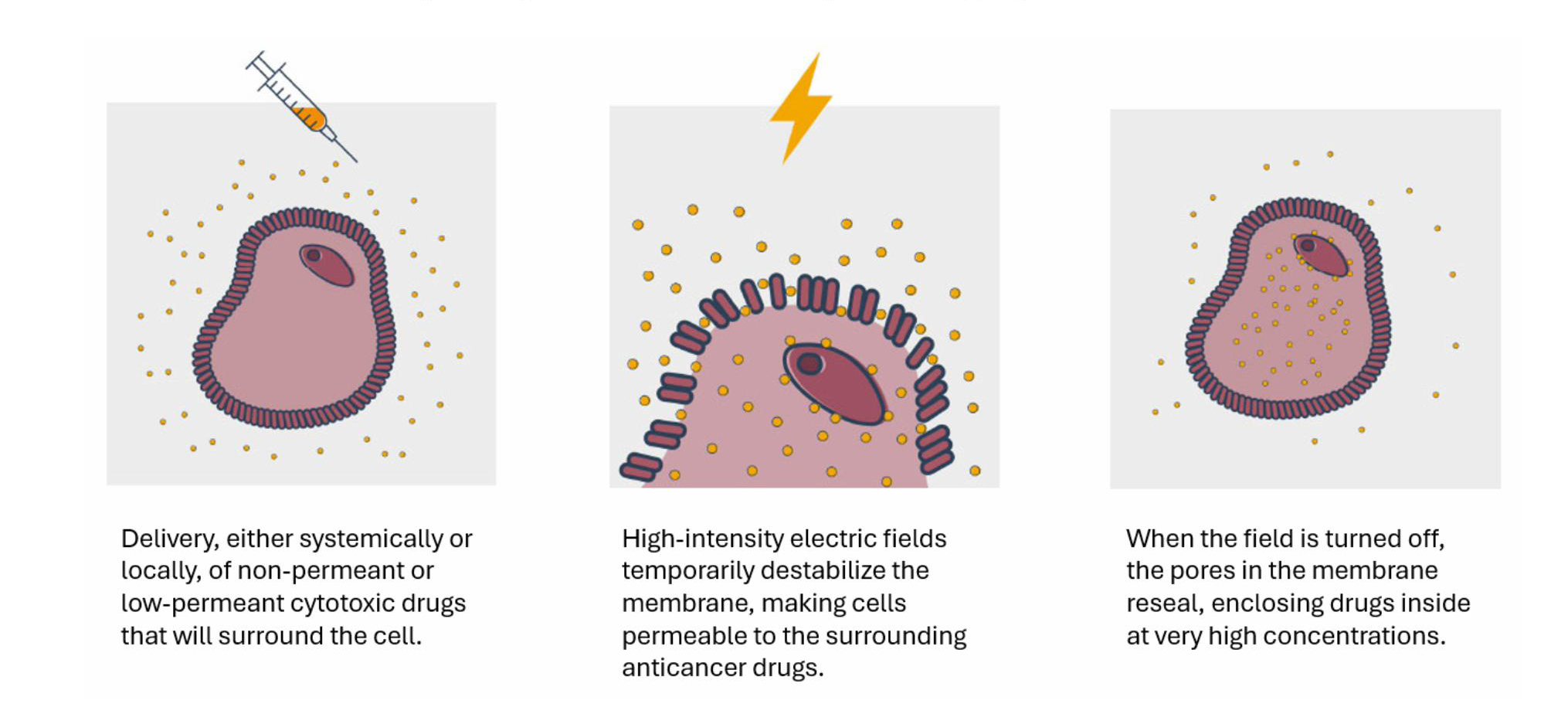
- How it Works: The electrical pulses (“electroporation”) temporarily open the cancer cell membranes, allowing a much higher concentration of the chemotherapy drug (usually Bleomycin) to enter the cell.
- Benefits: It is highly effective at killing cancer cells while sparing the surrounding healthy tissue. Because the drug is concentrated in the tumour, systemic side effects (like sickness) are rare.
- Targeted Tumours: It is ideal for local control of skin (cutaneous) and subcutaneous tumours, such as:
- Squamous Cell Carcinoma (SCC)
- Mast Cell Tumours
- Soft Tissue Sarcomas
- Oral Tumours (e.g., Melanoma)
- Incompletely excised tumours post-surgery
The Treatment Process
- Preparation: A full assessment by an oncologist is required. Blood tests will be performed to check organ function, and sometimes diagnostic imaging (CT/x-ray) may be needed to check for metastasis (spread of cancer to other locations).
- Anaesthesia: The procedure requires a short general anaesthesia to ensure your pet is comfortable.
- Administration: The chemotherapy drug is given intravenously or injected directly into the tumour.
- Application: A special electrode (needle or plate) is placed on the tumour to deliver the electrical pulses. The entire procedure usually takes less than 30 minutes.
- Sessions: Depending on the tumour type and size, 1 to 6 treatments may be required, though some tumours respond after a single session.
What to expect
after treatment (aftercare)
- Immediate Post-Op: Your pet can typically come home the same day.
- Side Effects: The treated area may experience swelling, redness, and scabbing (necrosis) for 2 to 3 weeks.
- Pain Management: Painkillers will be prescribed for a few days to keep your pet comfortable and manage any local inflammation.
- Protection: An Elizabethan collar (cone) or bandage may be necessary to prevent your pet from licking or scratching the area.
- Healing: The tumour may shrink and scab over, leaving a small scar.
- Safety: Drug residues may be found in the urine and faeces of treated patients for an unknown period after treatment. Individuals in at-risk groups should be particularly careful to avoid contact with patient excreta and saliva. For canine patients, faeces should be double-bagged for clean-up, and water should be poured over areas where a pet urinates outdoors to dilute any residues. For cats, the litter box should be cleaned every day, taking adequate care when handling and bagging any contaminated litter material.
Why choose
electrochemotherapy?
- Effective: Studies show approximately an 80% objective response rate for cutaneous/subcutaneous tumours.
- Palliative & Curative: Used to treat inoperable tumours to improve quality of life, or as an adjuvant to surgery (to kill any cancer cells that might have been left behind).
- Pet-Friendly: Minimal systemic toxicity.
This is intended to give general information on veterinary electrochemotherapy. Please consult your vet for a tailored treatment plan for your pet.