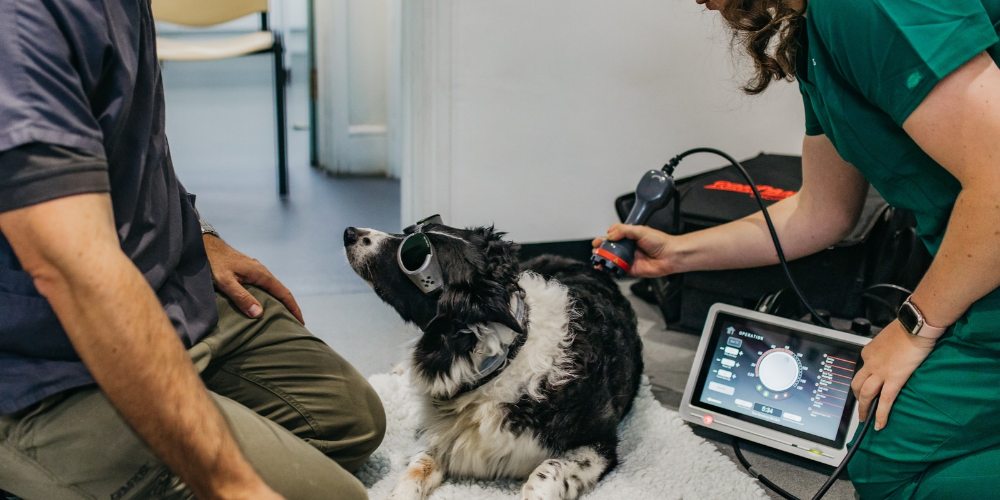
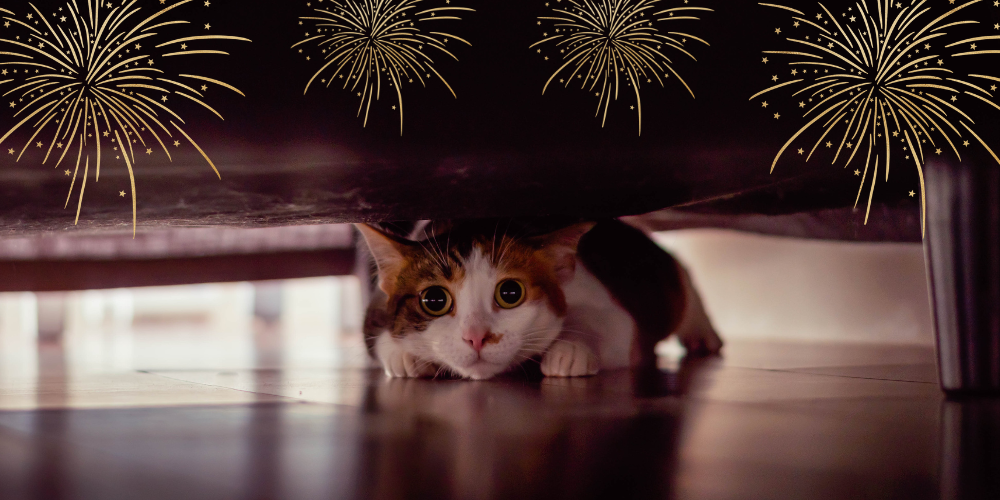
Firework season can be an exciting time for us, but the unexpected flashes and loud bangs can be frightening for our pets. Dogs, cats and smaller animals have much more sensitive hearing than we do, and they cannot understand where the noise is coming from or when it will stop.
The good news is that there are plenty of simple things you can do to help your pet feel safer. The earlier you begin preparing, the more time you have to find out what works best for them.
Create a safe space
Give your pet somewhere quiet and comfortable where they can retreat if they feel worried. This might be a cosy den behind the sofa, a covered crate, a favourite room or a box tucked away in a peaceful corner.
Add familiar bedding, blankets and a few favourite toys. If your pet chooses to hide there, allow them to stay for as long as they need. Never try to pull them out or encourage them to face something they find frightening.
Ideally, set up their safe space several weeks before you expect fireworks. This gives your pet time to explore it and begin associating it with rest and relaxation.
Reduce the sights and sounds
Before fireworks begin, close your windows and draw the curtains or blinds to soften the flashes and reduce the noise coming into your home.
Playing the television, radio or some gentle background music can also help to disguise sudden bangs. Keep the volume at a comfortable level – the aim is to create familiar background noise rather than drown out the fireworks completely.
If your pet already uses a pheromone diffuser, plug it in well ahead of the event. These products can help some animals feel more settled, but they usually work best when introduced in advance.
Adjust your routine
On evenings when fireworks are likely, try to walk your dog earlier in the day while it is still light. Keep them on a secure lead, even if they would normally be allowed off, as an unexpected bang could cause them to panic and run.
Cats should be brought indoors before dusk, with doors, windows and cat flaps securely closed. Make sure they have access to food, water, comfortable hiding places and a clean litter tray.
Small pets living outdoors may benefit from being moved into a quiet shed, garage or indoor space where appropriate. If this is not possible, partially cover their enclosure with a thick blanket to reduce noise and flashes, while making sure there is still plenty of ventilation. Give them extra bedding so they can burrow and hide.
Check their identification details
Frightened animals can behave unpredictably, so it is important to check that your pet’s microchip details are up to date. Dogs should also wear a collar and identification tag when outside.
Take a few moments to check your garden fencing, gates, doors and windows too. Even pets that are usually calm may try to escape if they are startled.
Let your pet choose what they need
Every pet responds differently. Some will want to hide away, while others may seek reassurance and stay close to you.
If your pet comes to you for comfort, it is absolutely fine to gently reassure them. Stay calm, speak normally and allow them to decide whether they would like company, play or space. Your calm presence can help them feel more secure.
Try not to react dramatically to the fireworks yourself, as this may reinforce the idea that there is something to worry about. If your pet is relaxed enough to play or eat, you could offer a favourite toy, long-lasting chew, food puzzle or treat-filled activity as a positive distraction.
Introduce firework sounds gradually
Sound desensitisation can help some pets become more comfortable with firework noises, but it needs to be introduced very slowly and ideally well before firework season.
Begin by playing a suitable recording at such a low volume that your pet remains completely relaxed. Pair the sound with something positive, such as treats, play or a meal, and gradually increase the volume over a number of weeks.
Never play firework sounds loudly to “get your pet used to them”. If they show any sign of worry, stop and seek advice before continuing.
Speak to us before firework season begins
If your pet has struggled with fireworks in the past, please don’t wait until the first noisy night to ask for help. Signs of anxiety can include:
- Trembling, panting or pacing
- Hiding or trying to escape
- Barking or vocalising
- Drooling
- Refusing food
- Toileting indoors
- Clinging to you or being unable to settle
- Destructive or unusual behaviour
There are several ways we may be able to support your pet, depending on the type and severity of their fear. This could include changes at home, behavioural support, calming products or prescription medication where appropriate.
Medication must always be prescribed specifically for your pet, so please never give them human medicine or a product prescribed for another animal.
A little preparation can make a big difference
Firework anxiety is a genuine fear response, not your pet being difficult or badly behaved. With patience, preparation and the right support, we can help make this time of year feel much less overwhelming for them.
If you are concerned about how your pet may cope, please contact the Tamar Vets team as early as possible. We’ll be happy to discuss their individual needs and help you put a plan in place before firework season gets underway.